
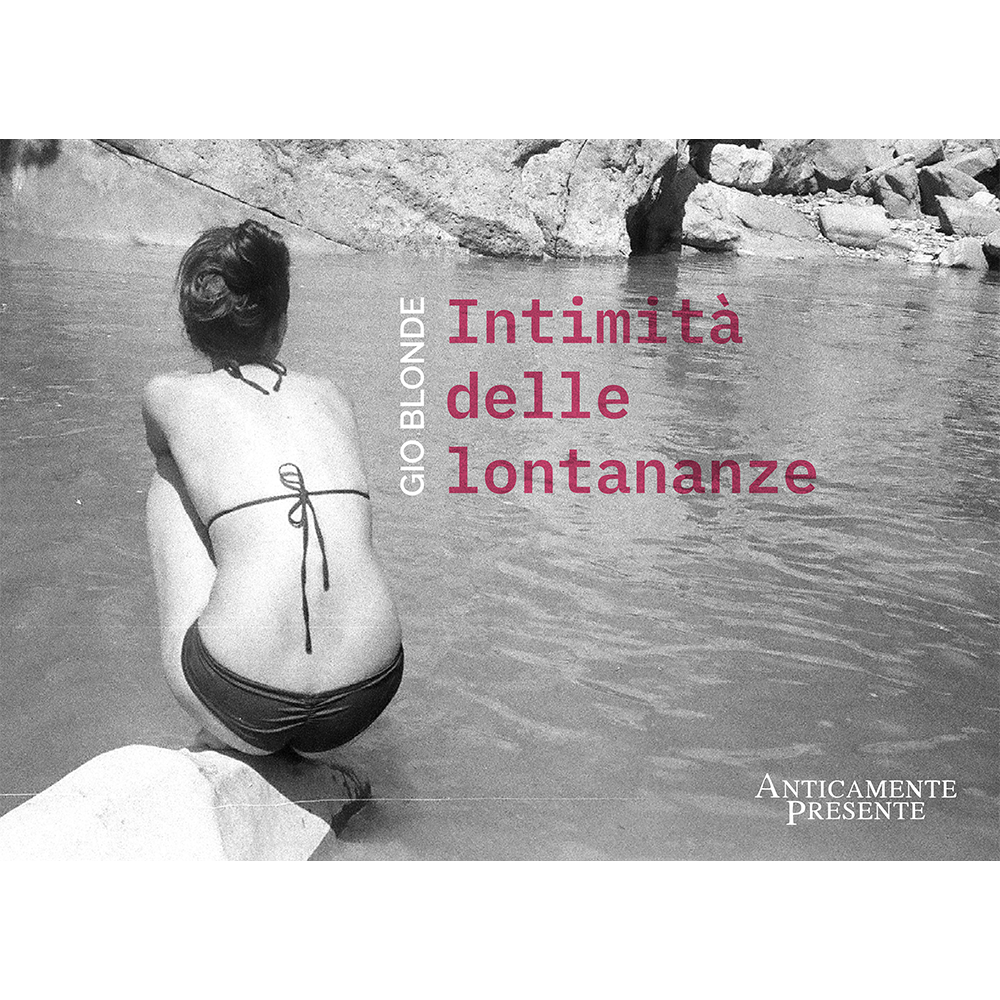
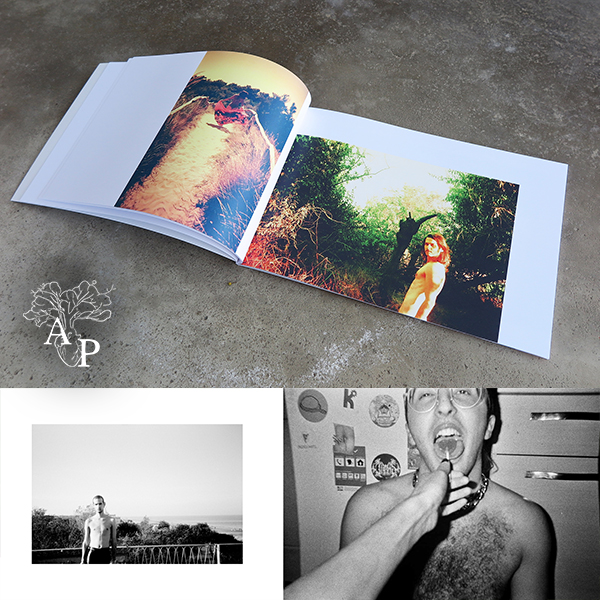
This book does not ask to be looked at. It asks to be felt. (M. Bressan)
“There is a precise sensation that runs through this book: the sensation of a freedom practiced to the fullest. Not a shouted freedom, but an inhabited freedom.
A freedom that passes through deep respect for the other, through mutual trust, through the courage of not knowing exactly where we will arrive.
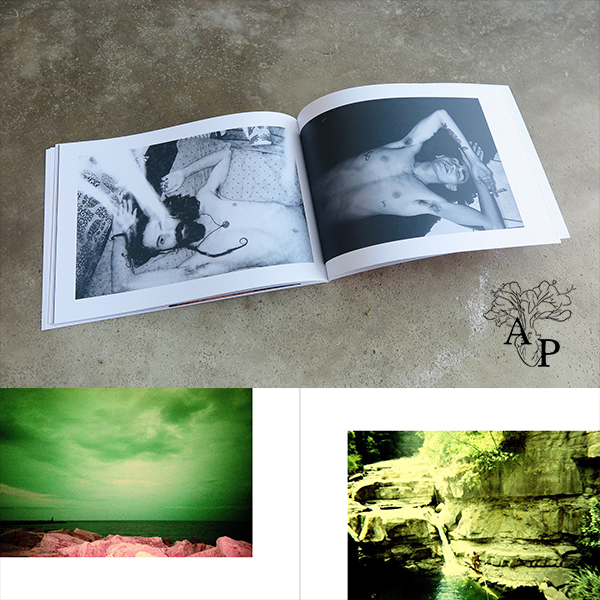
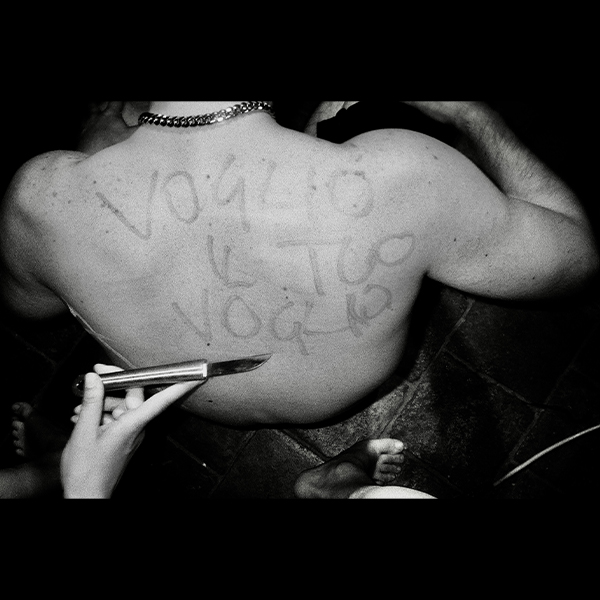
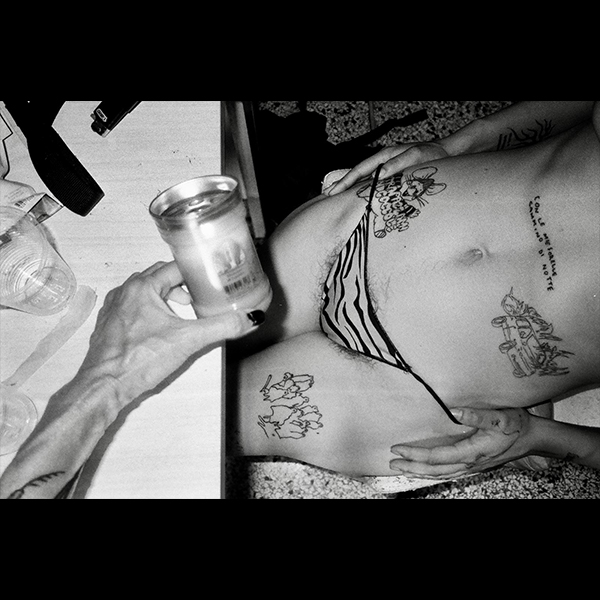
Gio Blonde’s photographs do not offer themselves as definitive images. They remain open, vulnerable, exposed as much as the bodies they show.
And precisely for this reason they remain. Because what is born from an act of authenticity – from a real presence – does not need time to be
legitimated.
This book does not ask to be looked at. It asks to be felt.”
(M. Bressan)
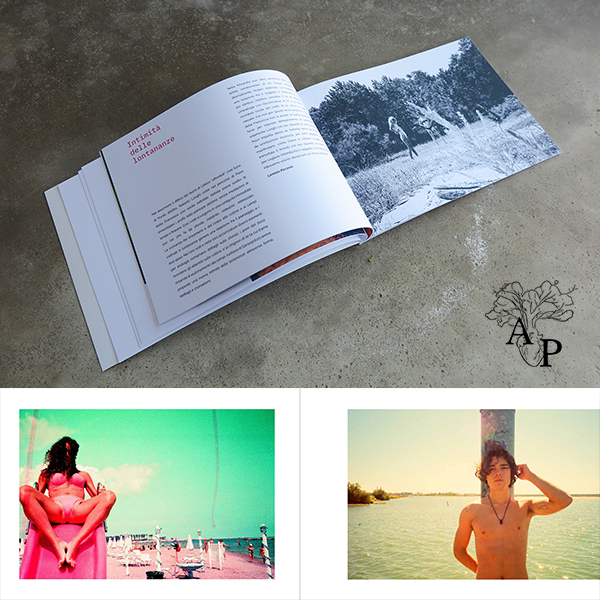
INTIMACY OF DISTANCES
(by L. Piccinini)
In describing the diptych of the Dukes of Urbino “faced”, that is, one facing the other, Roberto Longhi caught in Piero della Francesca’s journey an unspeakable novelty: the artist had chosen to immortalize the profiles “in the fullness of the air”, without mediations of curtains or windows. Thus the faces are caught in an immediate contiguity with what forms the background: indistinct, nebulous, sketched.
The closeness of the features and body to the hills and cultivated fields in the distance generates a relationship between the landscape and the two spouses. In their faces and hairstyles different elements by analogy recall details in the background: the duke’s leeks recall the small trees on the hills, or her chignon whose texture refers to the sectioning of the fields. The painter of Sansepolcro had proposed a new intimacy of distances through form, details and chromatism.
Can an intimacy of distances exist in photography? At first it would seem no, too immediate and, when otherwise, too elaborate. Photography can conceive a relationship between the subject and the environment yes, but in a more instinctive, intuitive, sensitive way. And if a bush will collect an analogy with her hairstyle, or a passing halo will recall the wave of his tuft, then we will grasp a casual intimacy, but no less powerful. And perhaps even Piero della Francesca did not notice that correspondence, found perhaps by natural dazzling of that impression, perhaps only Longhi with his gaze caught it five centuries later.
It matters little then whether the intimacy derives from an elaboration or from an unconscious intuition, for certain we know that it can manifest itself, as Diana in corpore, provided that she who immortalizes the world with her gaze lives that place, since to grasp the intimacy between the subject and the surrounding reality, she must weave one herself with what surrounds her.

Gio Blonde bio
In the name of Goddess (article on Perimetro.eu)
Gio Blonde’s podcast