
Void
by Attilio Solzi
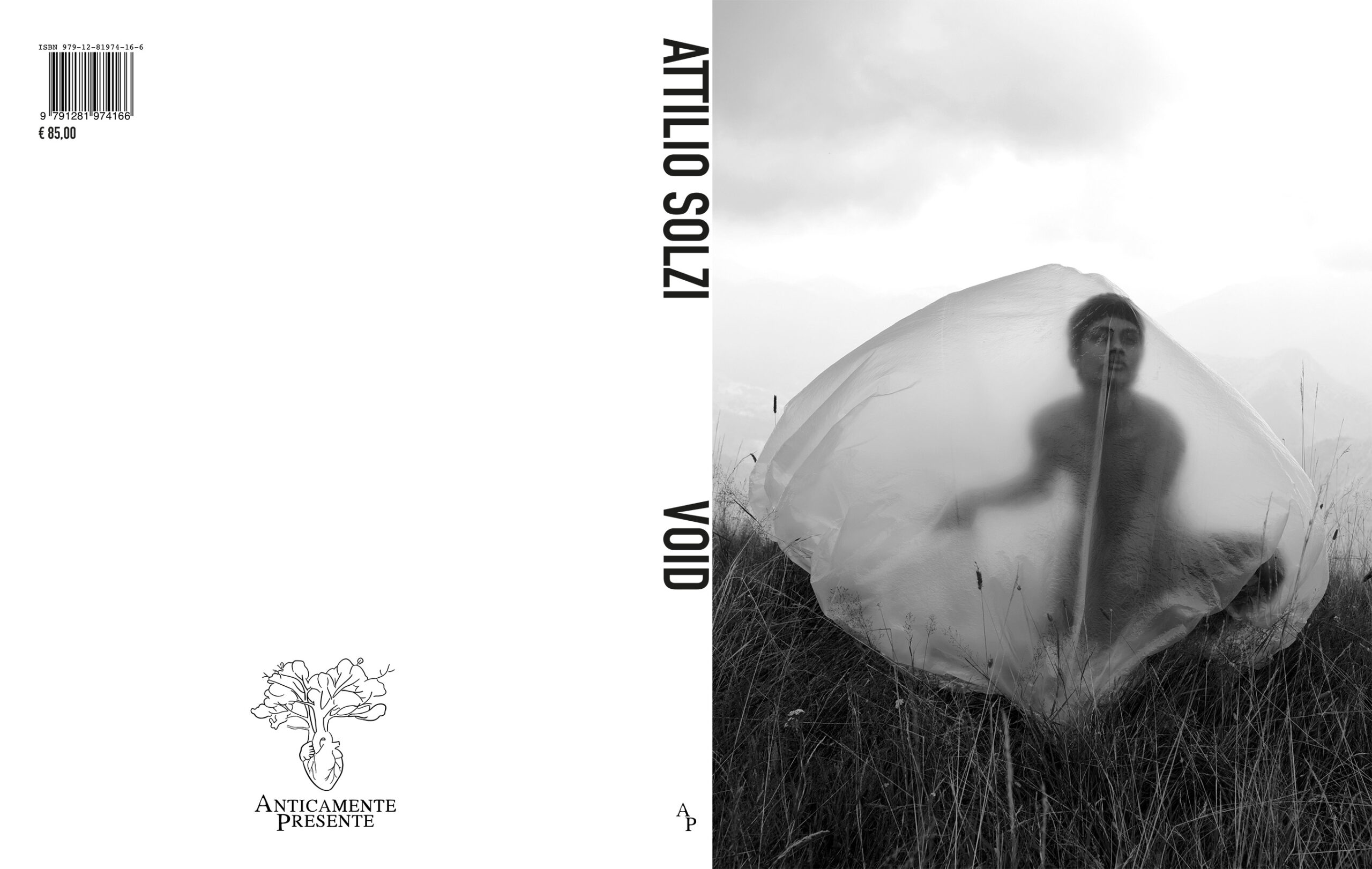
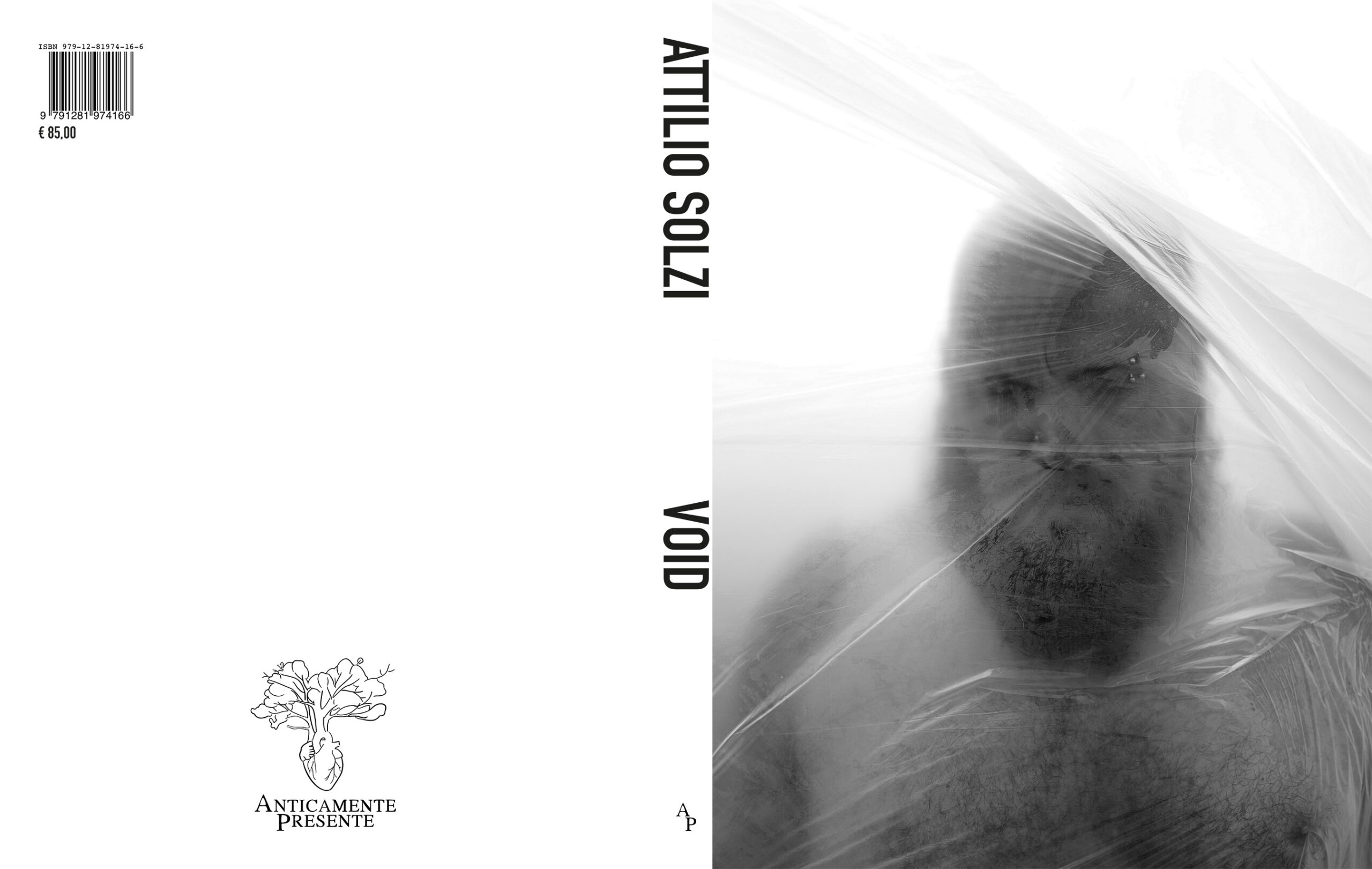
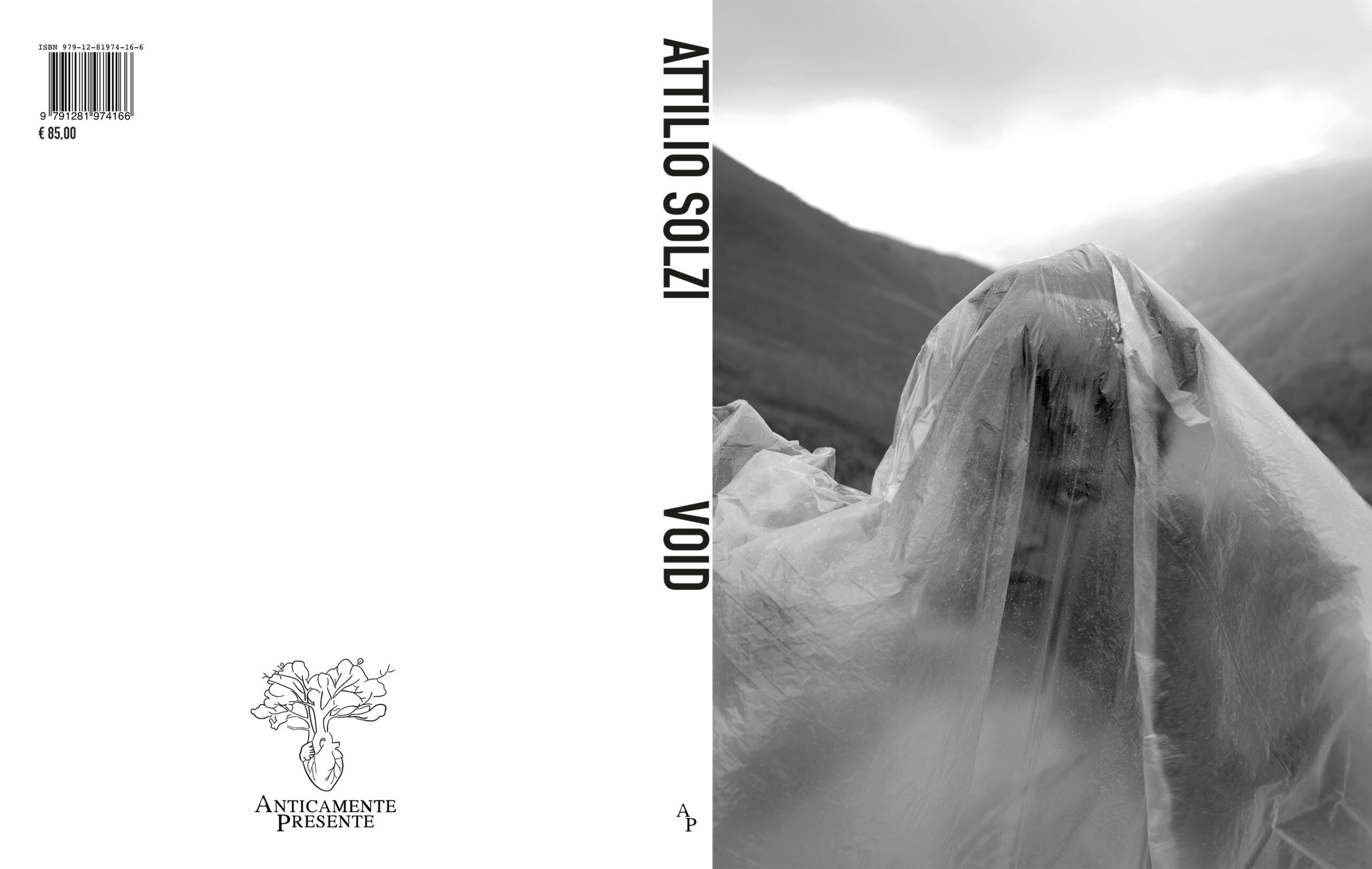
A special edition of 120 copies, hand-numbered, with three different cover designs.
Produced to mark Attilio Solzi’s photographic installation *VOID*, curated by Alessio de’ Navasques. In Milan, from 8 July throughout August 2026, at the Project Room at 10 Corso Como.
ISBN 979-12-81974-16-6
Language Italian / English
Publication date July 2026
Why buy this book?
A masterful visual narrative on the artist’s creative isolation, which becomes a sublime allegory of contemporary individualism.
With texts by Alessio de’Navasques, Rischa Paterlini
Photographs Attilio Solzi
Graphic layout Lulù Withheld
Format 22 x 29
Cover paperback
Binding White thread binding
Paper (inner) Shiro Bright W. 160g / (cover) Shiro Bright W. 350g
No. of pages 244
85,00 €
Attilio Solzi’s photography analyses, evokes and depicts – through a symbolic representation of emptiness – the personal microcosm in which many artists take refuge, in a metaphor that is both physical and architectural for their own studio.
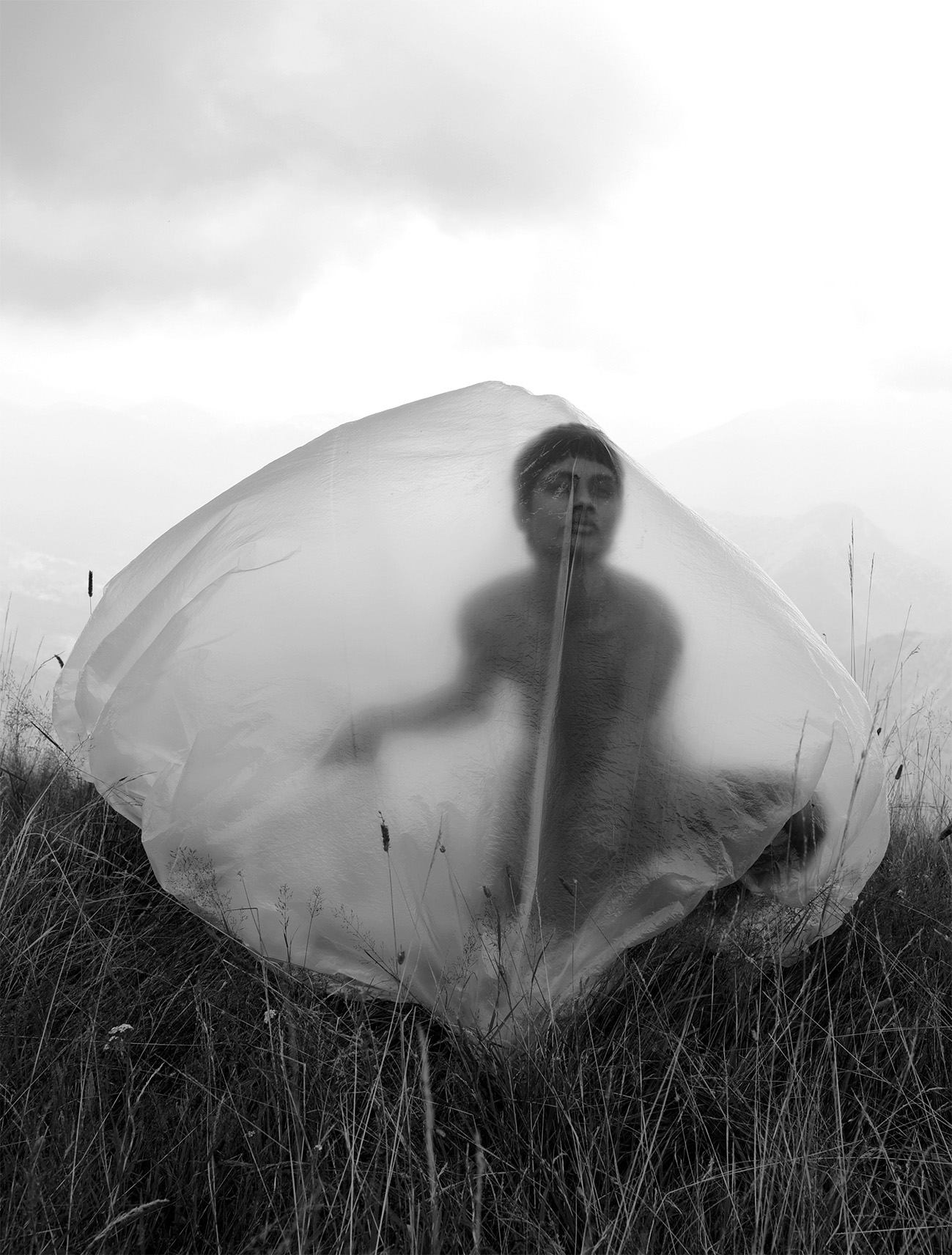
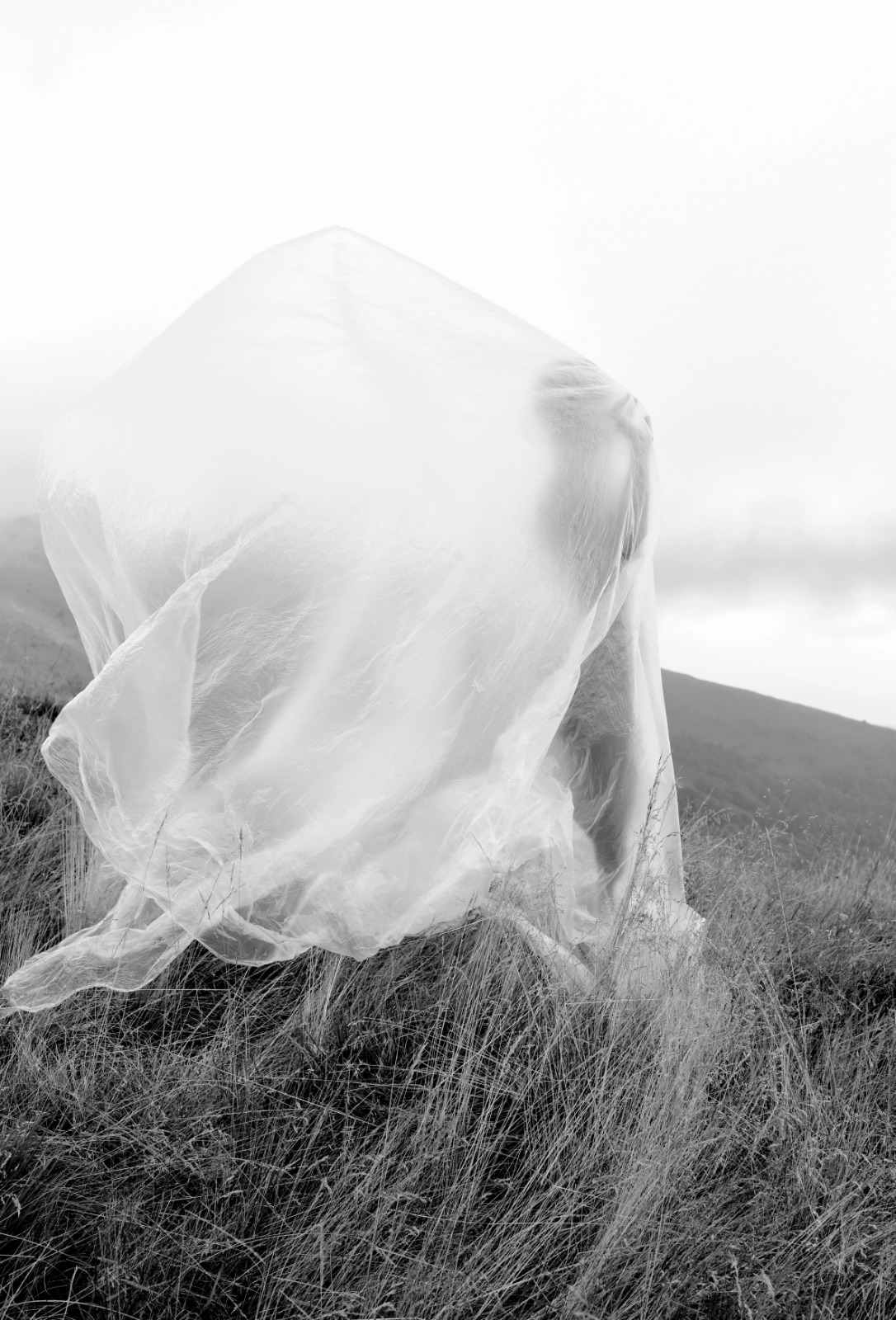
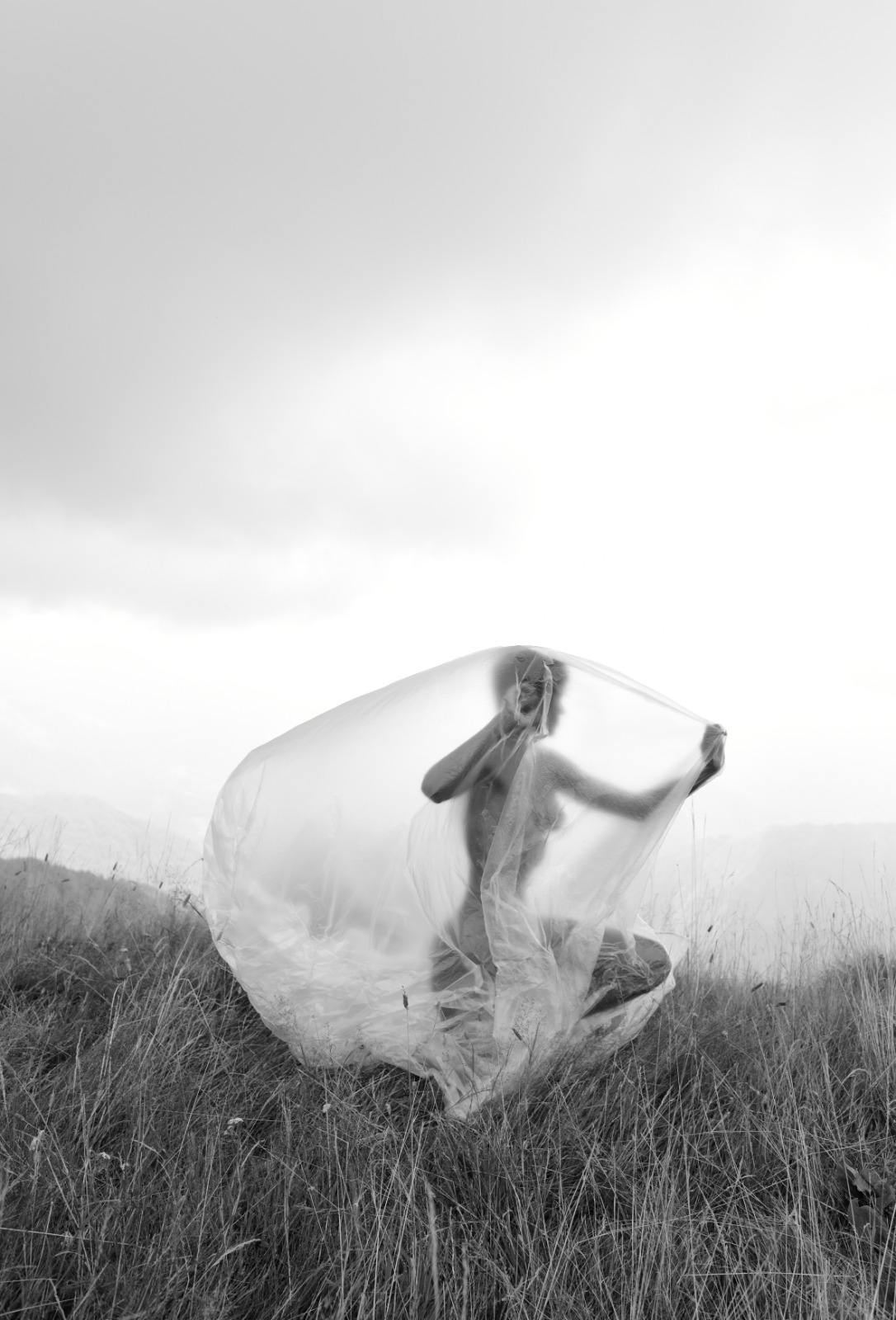
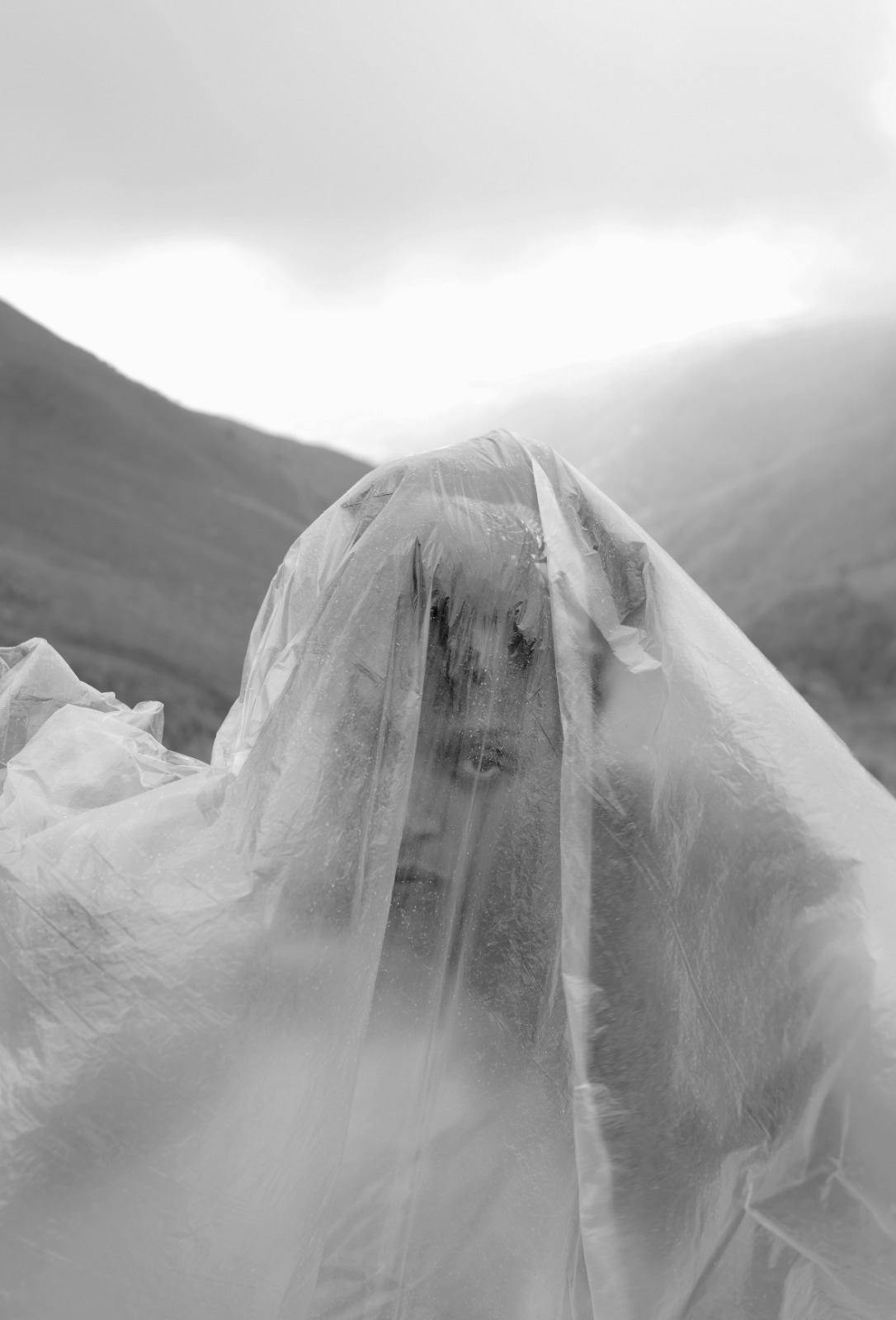
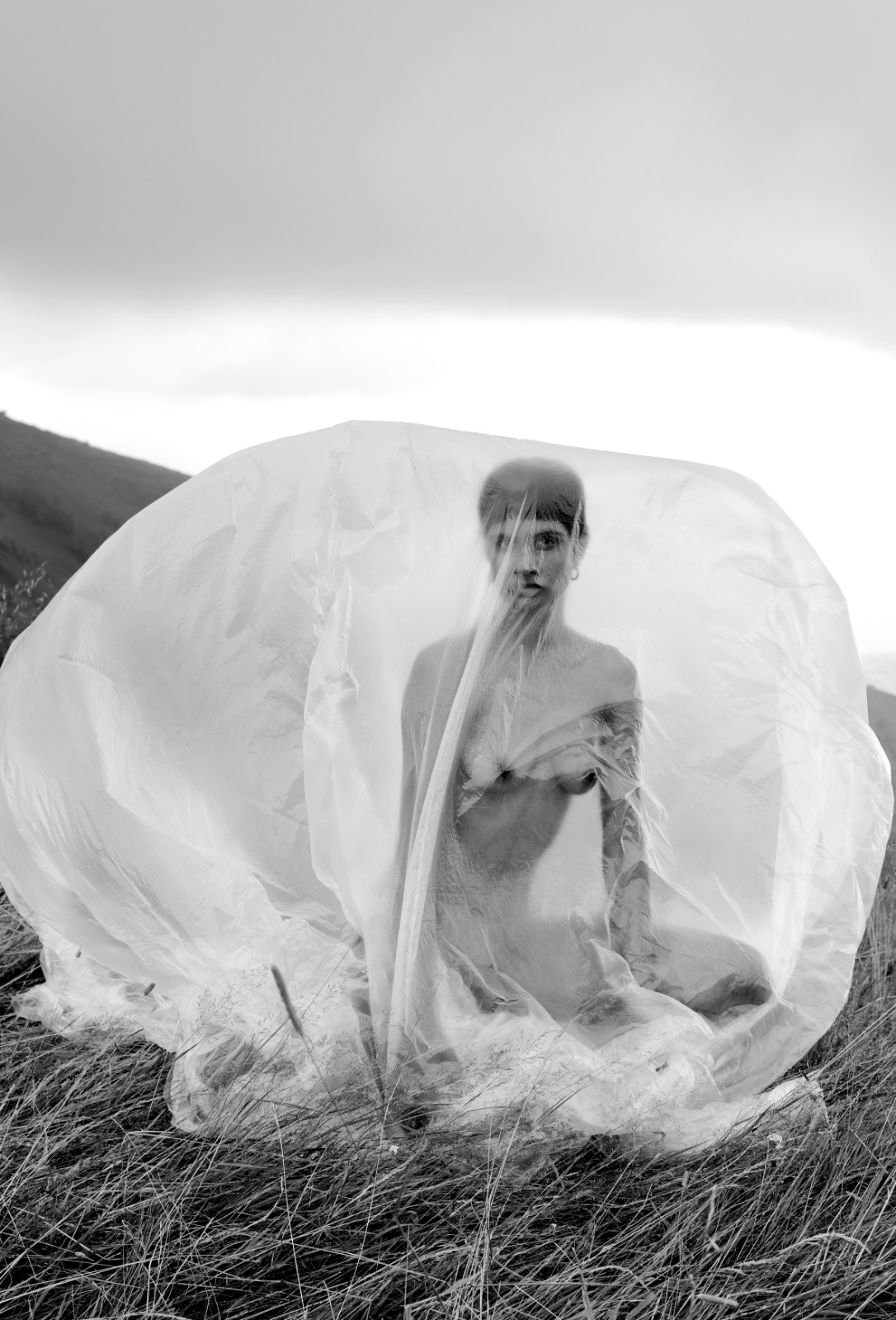
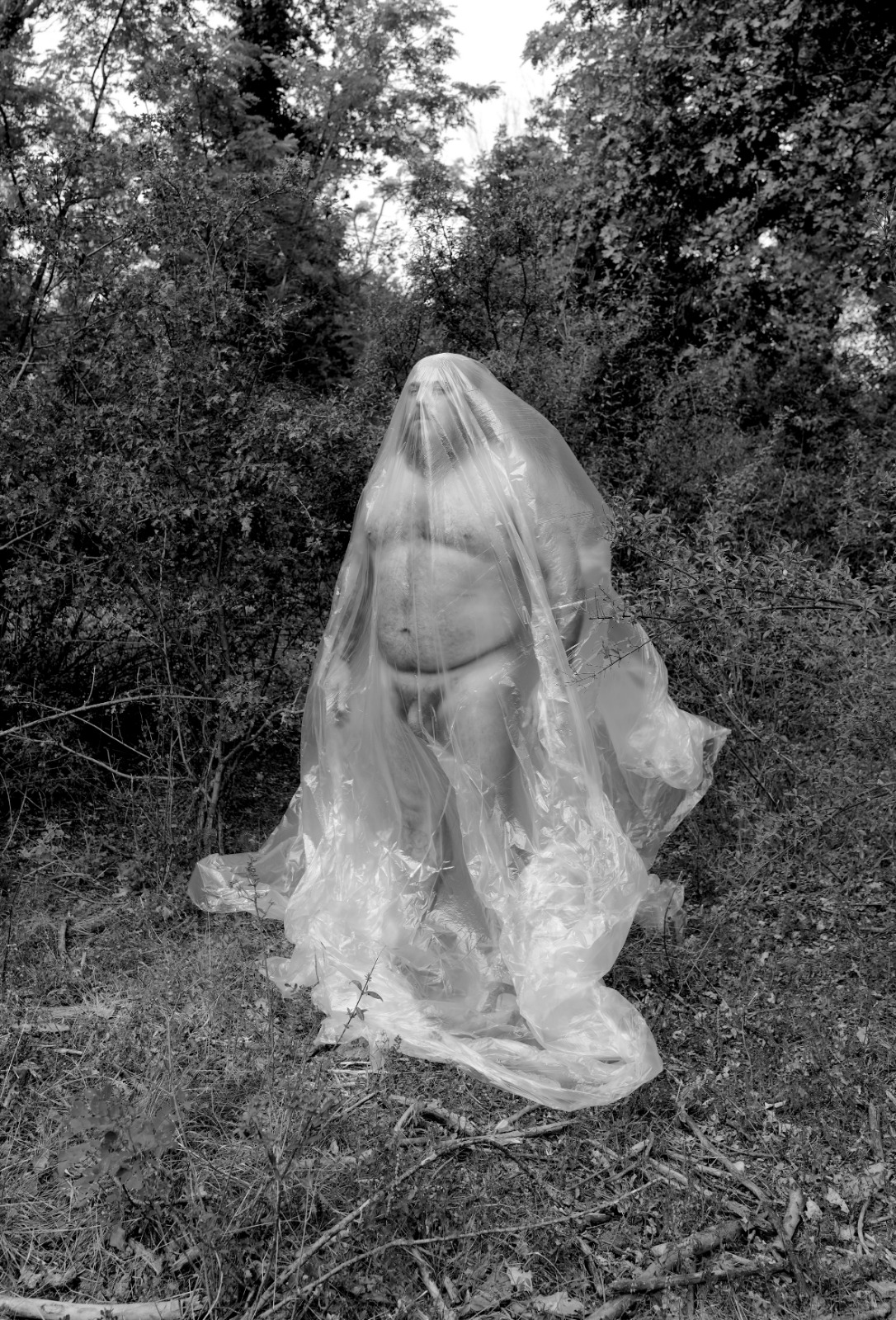
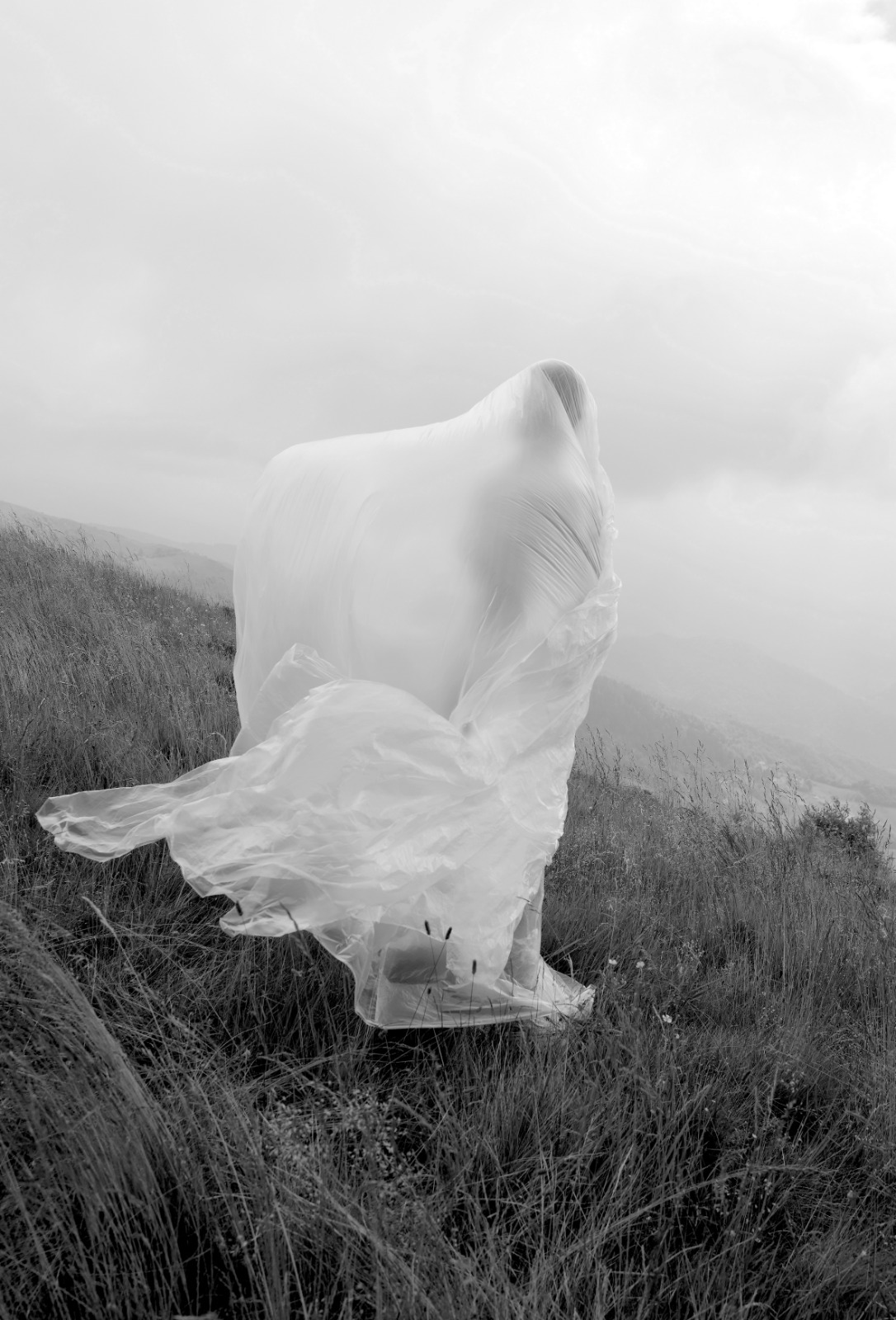
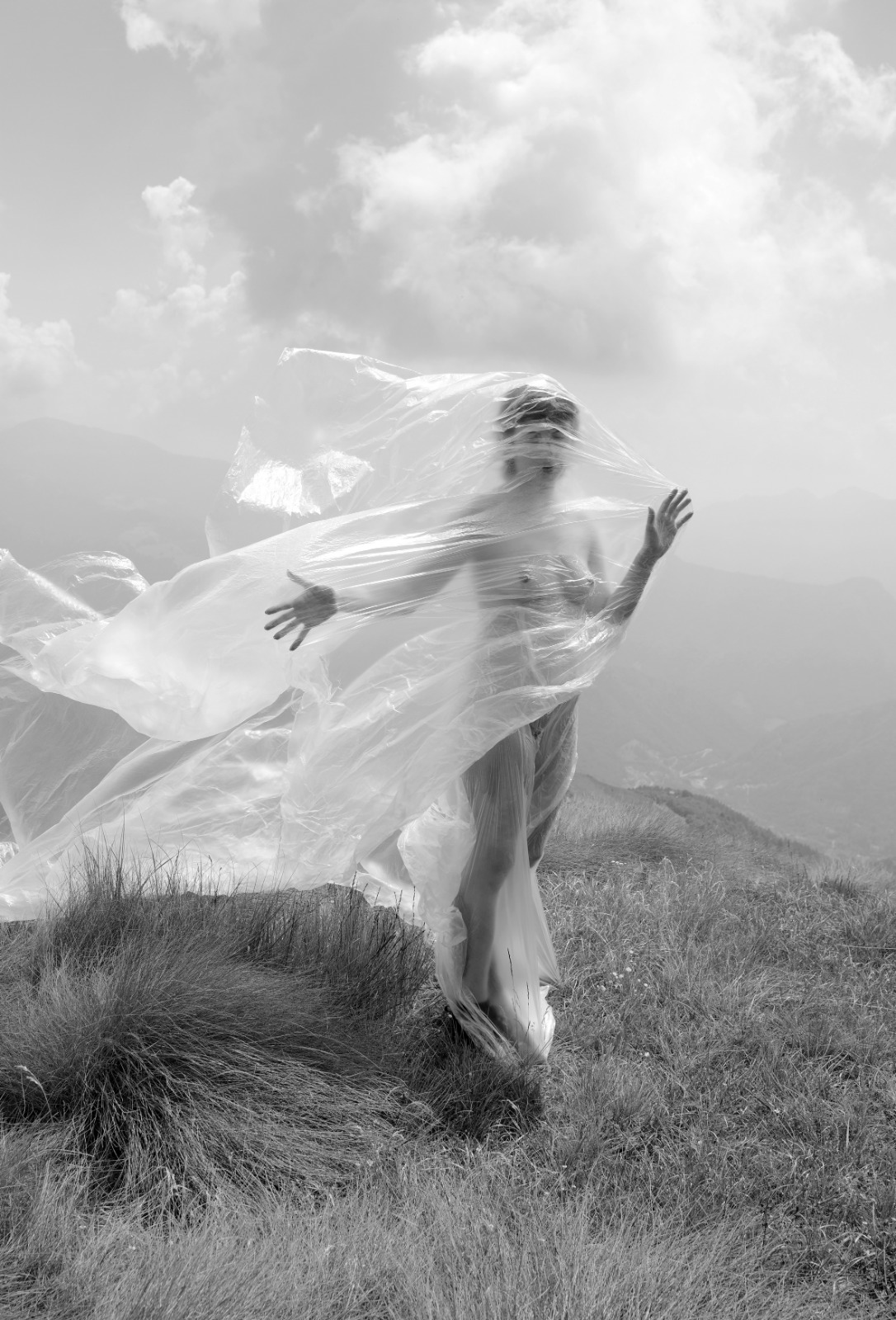
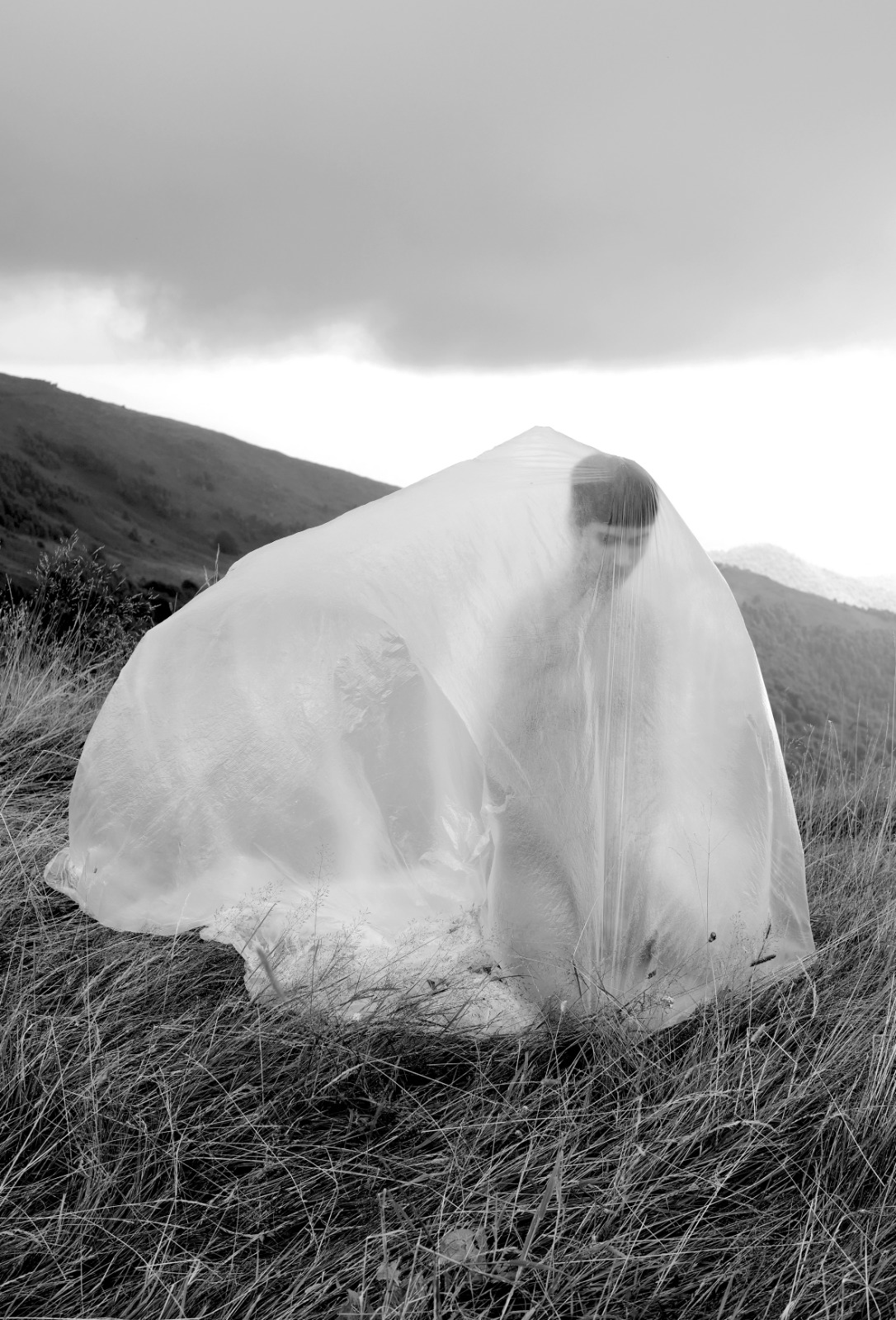
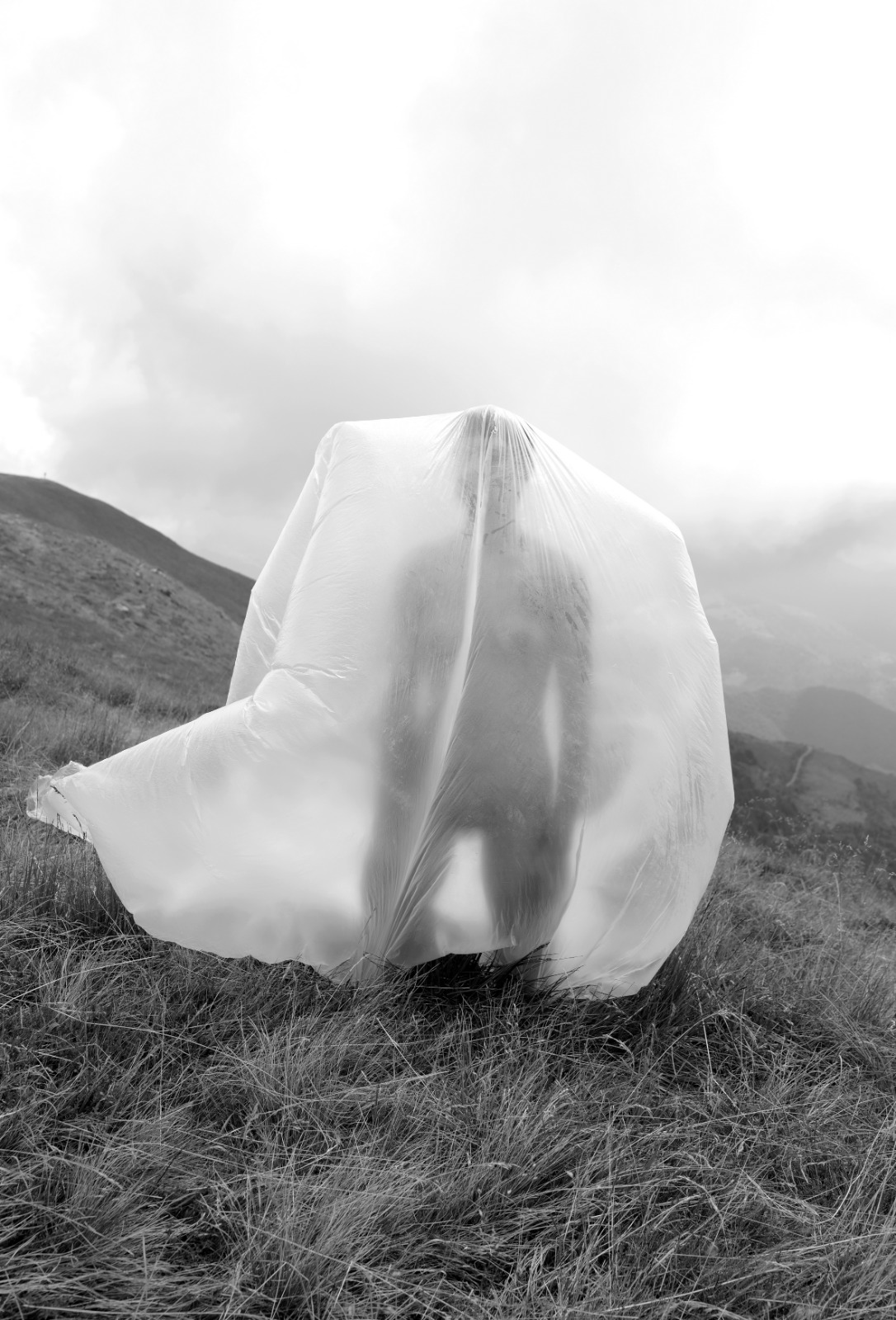
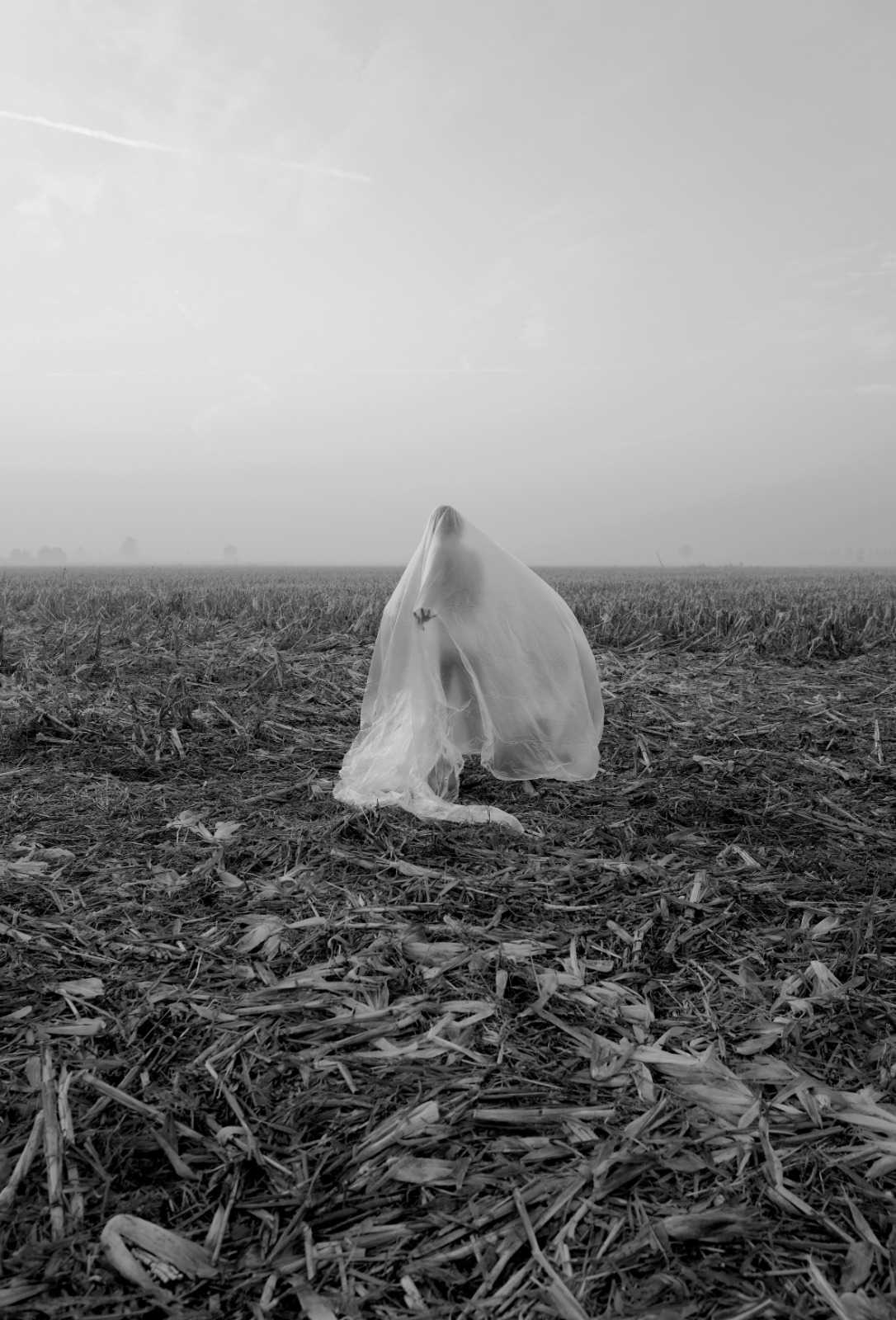
The young artists photographed are depicted naked and defenceless inside a ‘bubble’ that serves as a retreat or shelter, but which is also a claustrophobic cell. The opacity of the cellophane presents us with a body, an entity that appears blurred from the outside – perceptible, but not clearly defined – almost like a sort of alien amongst us.
The concept of emptiness in art is not merely an absence, but a fertile and generative space in which matter and ideas can manifest themselves. For the immersive artist who chooses isolation, the studio ceases to be a physical place and becomes an ‘active void’, a sacred space that shields one from the noise of the world to allow the self to emerge.
Just as in Zen philosophy emptiness is the principle from which all things arise, the isolated studio acts as an incubator. The absence of external stimuli ‘empties’ the artist’s mind, creating the necessary pressure for intuition to fill the space. The artist who never leaves the studio experiences the ‘presence of absence’. The surrounding void is not negative solitude, but a tool for making the invisible and the intangible visible. The studio as a generative void, but also as a ‘site of rejection’ towards one’s fellow human beings, towards society or, more generally, towards one’s contemporaries. In this protected void, the artist performs an act of resistance, transforming isolation into a radical aesthetic experience where time stands still.
A special edition of 120 copies, hand-numbered, with three different cover designs.
A thin film of plastic—a humble, artificial material more commonly associated with construction sites—is transformed into a medium, an instrument of metamorphosis. Ripples, folds, waves, like the evanescent rhythm of the air, envelope the figures and dissolve their contours. The subjects seem to emerge and recede simultaneously, permeated by the same vibration that animates the swaying of fields rustling in the summer breeze or the leaves of the forest at sunset. The plastic sheds its original function and becomes membrane, atmosphere, a shared skin between the body and the world. [Alessio de’Navasques]
The void evoked by Solzi is not the same as absence. Rather, it resembles a primordial space, a condition that precedes form and makes its emergence possible. A place of waiting—fragile and unstable—in which something is about to appear without yet being defined. Solzi observes his subjects with a rare sense of balance: close enough to capture their vulnerability, yet distant enough not to disrupt it. [Rischa Paterlini]
The exhibition at 10 Corso Como, Milan
Void
di Attilio Solzi